
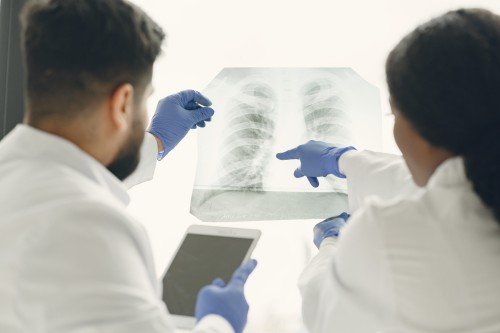
Tuberculosis (TB) is an infectious disease that mainly affects the lungs, although it can also involve other parts of the body. Early diagnosis and appropriate medical care play an important role in preventing complications and reducing the spread of infection. If you are looking for TB treatment in Beta 1 Greater Noida, understanding the early symptoms and knowing when to consult a respiratory specialist can help you take the right steps towards better health.
For fast information, direct chat with us on WhatsApp
Early TB treatment helps control the infection, reduce the risk of complications, and prevent the spread of tuberculosis to others. Timely diagnosis allows doctors to start the appropriate combination of medicines and monitor recovery. Anyone experiencing a persistent cough, fever, night sweats, or unexplained weight loss should seek medical evaluation.
Understanding Tuberculosis and Its Impact on Health
Tuberculosis is caused by bacteria called Mycobacterium tuberculosis. It most commonly affects the lungs and spreads through the air when someone with infectious pulmonary TB coughs, sneezes, speaks, or sings.
However, TB does not affect everyone in the same way. Some people develop active tuberculosis, while others have inactive or latent TB infection. People with latent TB do not have symptoms and cannot spread the infection, but they may develop active disease later.
Common symptoms of active pulmonary TB include:
- Cough lasting two weeks or longer
- Coughing up blood or sputum
- Fever, particularly in the evening
- Night sweats
- Unexplained weight loss
- Loss of appetite
- Persistent tiredness and weakness
- Chest pain or discomfort
These symptoms can occur with other respiratory conditions as well. Therefore, proper medical testing is necessary rather than relying on symptoms alone.
Why Early TB Treatment in Beta 1 Greater Noida Matters
Recognizing tuberculosis early can make a significant difference in treatment and disease control. Delaying medical attention may allow the infection to progress and increase the possibility of transmission.
Here are some important reasons to seek timely care.
1. Helps Prevent Serious Health Complications
Untreated pulmonary TB can damage lung tissue and affect breathing. In some cases, tuberculosis can spread beyond the lungs to organs such as the kidneys, brain, bones, and lymph nodes.
Early diagnosis allows doctors to assess the infection and begin appropriate treatment before further complications develop.
2. Reduces the Risk of Spreading Infection
Pulmonary TB can spread through the air, especially in enclosed or poorly ventilated spaces. Starting effective treatment helps reduce infectiousness over time.
Patients should follow their doctor’s advice regarding precautions, ventilation, masking, and contact evaluation. The risk of transmission depends on several factors, including the site of infection and treatment response.
3. Supports Better Treatment Outcomes
TB is generally curable with the correct combination of anti-tuberculosis medicines. However, treatment requires consistency and medical supervision.
Starting treatment at the right time helps doctors manage the infection, monitor progress, and identify potential medication-related problems.
4. Helps Identify Drug-Resistant Tuberculosis
Some TB bacteria develop resistance to commonly used medicines. This is known as drug-resistant tuberculosis.
Early diagnostic testing can help identify resistance and guide doctors towards an appropriate treatment regimen. This is particularly important for people who have previously received TB treatment or have other risk factors for drug resistance.
How Is Tuberculosis Diagnosed?
A healthcare professional may recommend different tests depending on the patient’s symptoms, medical history, and suspected type of tuberculosis.
Common diagnostic methods include:
Chest X-ray: Helps identify lung abnormalities that may be associated with pulmonary TB. However, an X-ray alone cannot confirm tuberculosis.
Sputum examination: A sample of mucus from the lungs may be tested for TB bacteria.
Molecular tests: Tests such as CBNAAT and Truenat can detect TB bacteria and identify certain forms of drug resistance.
Culture testing: Helps identify the bacteria and may provide additional information about drug sensitivity.
Blood or skin tests: Tests such as IGRA or the tuberculin skin test can identify TB infection, but they cannot independently confirm active TB disease.
The doctor selects the appropriate investigations based on individual clinical findings.
What Does TB Treatment Involve?
TB treatment usually involves a combination of antibiotics taken over several months. For drug-susceptible pulmonary TB, a commonly used treatment regimen lasts around six months, although the duration may vary depending on the patient’s condition and current treatment guidelines.
Treatment generally involves:
- Initial treatment phase: A combination of medicines is used to reduce the bacterial load.
- Continuation phase: Medicines continue to eliminate remaining bacteria and reduce the risk of relapse.
- Regular monitoring: Doctors assess symptoms, treatment response, side effects, and relevant test results.
Patients should never stop taking TB medicines simply because they begin feeling better. Incomplete or irregular treatment can contribute to treatment failure, relapse, and drug resistance.
Practical Precautions During TB Treatment
Along with prescribed medicines, certain precautions can help protect patients and their families.
- Take all medicines exactly as prescribed.
- Attend scheduled medical follow-ups.
- Keep indoor spaces well ventilated.
- Follow medical advice about wearing a mask.
- Avoid spitting in public places.
- Cover your mouth and nose when coughing or sneezing.
- Maintain a nutritious, balanced diet.
- Inform the doctor about any side effects.
- Encourage household contacts to seek evaluation when advised.
If you experience severe symptoms, difficulty breathing, significant coughing of blood, or a serious reaction to medication, seek urgent medical attention.
Who Should Consult a TB Specialist?
Anyone with persistent respiratory symptoms should consider medical evaluation, particularly if they have been exposed to someone with infectious TB.
People who may need special attention include:
- Individuals with a persistent cough or unexplained fever
- People who have had close contact with a TB patient
- Individuals with diabetes or weakened immunity
- People with a history of tuberculosis
- Patients experiencing unexplained weight loss or night sweats
If you live in Beta 1, Alpha 1, Delta 1, or another part of Greater Noida, consulting a qualified respiratory specialist can help you understand the appropriate diagnostic and treatment pathway.
Frequently Asked Questions
1. Can tuberculosis be completely cured with proper treatment?
Yes, most cases of drug-susceptible tuberculosis can be cured with the correct combination of medicines. However, patients must complete the prescribed treatment course and attend follow-up appointments. Drug-resistant TB requires different medicines and may need a longer treatment period under specialist supervision.
2. How long does TB treatment usually take?
Treatment for drug-susceptible pulmonary TB commonly takes around six months. However, the duration depends on the type of tuberculosis, drug sensitivity, treatment response, and individual health factors. Drug-resistant TB may require a different and longer treatment plan.
3. When should I consult a TB specialist for a persistent cough?
You should seek medical evaluation if your cough lasts two weeks or longer, particularly when accompanied by fever, night sweats, unexplained weight loss, or blood in sputum. Do not wait for all symptoms to appear. Early testing can help identify tuberculosis and other respiratory conditions.
4. Which tests are used to confirm tuberculosis?
Doctors may recommend sputum microscopy, molecular tests such as CBNAAT or Truenat, chest X-rays, and culture testing. The choice depends on the patient’s symptoms and medical history. Molecular tests are particularly useful because they can detect TB bacteria and certain types of drug resistance.
5. Where can I seek TB treatment in Beta 1 Greater Noida?
You can consult a qualified pulmonologist or respiratory specialist for TB evaluation and treatment guidance in Greater Noida. Chest and Lung Clinic is a relevant local healthcare resource to explore. Contact the clinic to confirm consultation availability, diagnostic facilities, and the appropriate treatment pathway.
Conclusion
Early diagnosis and appropriate medical care are essential for managing tuberculosis effectively. Recognizing warning signs, completing diagnostic tests, and following the prescribed medication schedule can help reduce complications and prevent further transmission. If you are searching for TB treatment in Beta 1 Greater Noida, do not ignore a persistent cough, unexplained fever, night sweats, or unexpected weight loss. Consult a qualified respiratory specialist to understand your condition and receive suitable medical guidance. Chest and Lung Clinic can be explored as a local resource for respiratory consultation. Taking timely action and following professional medical advice are important steps towards better lung health and recovery.
