
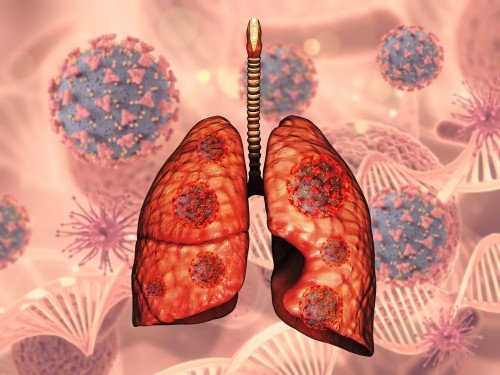
Breathing comfortably is essential for maintaining an active and healthy life. However, certain lung conditions can gradually affect breathing and make everyday activities difficult. Interstitial Lung Disease (ILD) is one such condition that affects the tissues surrounding the air sacs in the lungs. Seeking timely ILD Treatment in Beta I Greater Noida can help patients understand their condition, manage symptoms, and protect their remaining lung function. ILD includes several disorders that cause inflammation or scarring in lung tissue. Although some forms progress slowly, others may become more serious over time. Early evaluation by a respiratory specialist is important for identifying the underlying cause and choosing an appropriate treatment plan.
For fast information, direct chat with us on WhatsApp
ILD treatment focuses on managing inflammation, slowing lung damage where possible, relieving breathing difficulties, and improving quality of life. Depending on the underlying condition, treatment may include medications, oxygen therapy, pulmonary rehabilitation, and regular monitoring. Early diagnosis and personalized medical care help patients manage interstitial lung disease more effectively.
What Is Interstitial Lung Disease (ILD)?
Interstitial Lung Disease refers to a group of lung disorders that affect the interstitium, which is the tissue surrounding the tiny air sacs in the lungs. These tissues help support the transfer of oxygen into the bloodstream.
When inflammation or scarring develops in these tissues, the lungs may become stiff. Consequently, they cannot expand as easily, making breathing more difficult.
Some common conditions associated with ILD include:
- Idiopathic pulmonary fibrosis (IPF).
- Connective tissue disease-associated ILD.
- Hypersensitivity pneumonitis.
- Sarcoidosis affecting the lungs.
- Occupational or environmental lung diseases.
- Drug-induced interstitial lung disease.
Each type has different causes and may require a different treatment approach. Therefore, identifying the specific form of ILD is an important first step.
Common Symptoms That May Indicate ILD
Interstitial lung disease can develop gradually. Many people initially mistake its symptoms for general weakness, ageing, or a respiratory infection.
However, certain symptoms deserve medical attention, particularly when they persist or become worse.
Common warning signs include:
- Persistent dry cough: A cough that continues without an obvious infection.
- Shortness of breath: Difficulty breathing during walking, climbing stairs, or other physical activities.
- Unusual fatigue: Feeling tired even after performing routine tasks.
- Chest discomfort: A sensation of tightness or discomfort while breathing.
- Reduced exercise tolerance: Finding it difficult to complete activities that were previously manageable.
- Low blood oxygen levels: Some patients may experience reduced oxygen saturation as the disease progresses.
If you experience persistent breathlessness or an unexplained cough, consult a respiratory specialist for proper evaluation.
What Causes Interstitial Lung Disease?
There is no single cause of ILD. Several medical, environmental, and lifestyle-related factors may contribute to its development.
Some important risk factors include:
1. Autoimmune conditions: Diseases such as rheumatoid arthritis and systemic sclerosis can affect lung tissues and cause inflammation.
2. Occupational exposure: Regular exposure to asbestos, silica dust, metal dust, and certain industrial chemicals may increase the risk of lung damage.
3. Environmental exposure: Mould, bird proteins, and other airborne substances can trigger hypersensitivity pneumonitis in susceptible individuals.
4. Certain medications: Some chemotherapy drugs, antibiotics, and other medicines may cause lung inflammation or damage as a side effect.
5. Unknown causes: In some patients, the underlying reason for ILD cannot be identified. Idiopathic pulmonary fibrosis is one example.
Understanding the possible cause helps doctors select more appropriate treatment and recommend steps to reduce further exposure.
How ILD Treatment in Beta I Greater Noida Helps Manage Lung Conditions
The treatment of ILD depends on its type, severity, underlying cause, and the patient’s overall health. There is no single treatment that works for everyone. Instead, doctors develop an individualized plan based on clinical findings and diagnostic reports.
Some commonly used treatment approaches include:
1. Medications to Control Inflammation
Doctors may prescribe corticosteroids or other immunosuppressive medicines for certain inflammatory forms of ILD. These medicines help control an abnormal immune response and reduce inflammation.
However, they are not suitable for every patient. The choice of medication depends on the specific ILD diagnosis and potential side effects.
2. Antifibrotic Medicines
In certain progressive fibrosing lung diseases, doctors may recommend antifibrotic medicines such as nintedanib or pirfenidone.
These medications can slow the decline in lung function in appropriate patients. However, they do not reverse existing lung scarring or provide a permanent cure.
3. Oxygen Therapy
Some patients develop low oxygen levels because their lungs cannot transfer sufficient oxygen into the bloodstream. In such cases, supplemental oxygen may be recommended.
Oxygen therapy can support breathing and help maintain adequate oxygen levels. The required flow and duration depend on medical assessment.
4. Pulmonary Rehabilitation
Pulmonary rehabilitation is a supervised programme that helps people with chronic respiratory conditions improve their physical functioning.
It may include:
- Breathing exercises.
- Individually planned physical activity.
- Education about lung health.
- Energy conservation techniques.
- Nutritional guidance.
These measures can help patients manage breathlessness and maintain independence in daily activities.
5. Treatment of the Underlying Cause
When ILD develops because of an autoimmune disease, medication exposure, or environmental factors, addressing the underlying cause becomes important.
For example, avoiding exposure to harmful dust or allergens may help prevent additional lung irritation in certain conditions.
Important Diagnostic Tests Before Starting ILD Treatment
Accurate diagnosis is essential because different types of ILD require different management strategies. A respiratory specialist may recommend several investigations depending on the patient’s symptoms and medical history.
Common diagnostic tests include:
- High-Resolution CT (HRCT): Provides detailed images of lung tissues and helps identify patterns of inflammation or fibrosis.
- Pulmonary Function Tests (PFTs): Measure lung capacity and how effectively the lungs transfer oxygen.
- Oxygen Saturation Test: Checks oxygen levels in the blood.
- Blood Tests: Help identify autoimmune conditions and other possible causes.
- Six-Minute Walk Test: Evaluates exercise tolerance and changes in oxygen levels during activity.
- Bronchoscopy or Lung Biopsy: May be recommended in selected cases when additional information is needed.
Not every patient requires all these tests. The doctor decides which investigations are appropriate after reviewing the clinical condition.
Daily Care Tips for People Living with ILD
Medical treatment is important, but everyday habits also contribute to respiratory health. Patients should follow their specialist’s advice and make practical lifestyle adjustments.
Consider the following precautions:
- Avoid smoking and exposure to second-hand smoke.
- Stay away from dust, chemical fumes, and other known lung irritants.
- Follow prescribed medicines and oxygen instructions carefully.
- Maintain suitable physical activity within your medical limits.
- Eat a balanced diet and maintain adequate hydration.
- Attend scheduled appointments and lung function assessments.
- Discuss recommended vaccinations, including influenza and pneumococcal vaccines, with your doctor.
Patients should never start, stop, or change medication without professional guidance.
Why Regular Follow-Up Matters in ILD Management
Interstitial lung disease may change over time. Some patients remain stable for extended periods, while others experience gradual deterioration in lung function.
Regular follow-up helps doctors assess symptoms, review oxygen requirements, monitor pulmonary function, and identify possible treatment-related side effects.
If breathlessness suddenly becomes severe, seek urgent medical attention. Sudden worsening can sometimes indicate an infection, blood clot, or acute exacerbation of ILD.
For people living in Beta I and nearby areas of Greater Noida, accessing appropriate respiratory evaluation can make ongoing monitoring and treatment planning more convenient.
Frequently Asked Questions
1. Can interstitial lung disease be treated permanently?
There is currently no universal cure for interstitial lung disease. However, some forms can be managed effectively, particularly when doctors identify and address the underlying cause. Certain medications can slow disease progression, while oxygen therapy and pulmonary rehabilitation may help control symptoms.
2. What are the early warning signs of interstitial lung disease?
Persistent dry cough, unexplained breathlessness, fatigue, and reduced exercise tolerance are common early symptoms. Some people initially experience breathing difficulties only during physical activity. If these symptoms continue or gradually worsen, consult a respiratory specialist for appropriate investigations.
3. Which tests are required to diagnose ILD?
Doctors commonly use high-resolution CT scans, pulmonary function tests, oxygen saturation measurements, and blood investigations to evaluate ILD. Depending on the suspected condition, additional tests such as bronchoscopy may be necessary. The diagnostic approach varies according to individual symptoms and medical history.
4. Does ILD always require oxygen therapy?
No, oxygen therapy is not necessary for every ILD patient. Doctors recommend supplemental oxygen when testing shows that blood oxygen levels are insufficient, including during activity or sleep in some patients. Oxygen requirements should be assessed regularly and adjusted under medical supervision.
5. Where can I seek ILD treatment in Beta I Greater Noida?
Patients looking for ILD care in Beta I Greater Noida can consult a respiratory specialist or pulmonologist for proper diagnosis and treatment planning. Chest and Lung Clinic is a relevant local option to explore for respiratory consultation. Confirm the available ILD services and appointment details directly with the clinic.
Conclusion
Managing interstitial lung disease requires an informed approach, accurate diagnosis, and consistent medical supervision. Although ILD can affect breathing and everyday activities, appropriate treatment may help control symptoms, slow disease progression in certain cases, and improve quality of life. Choosing suitable ILD Treatment in Beta I Greater Noida begins with understanding the underlying cause and evaluating lung function. Patients should not ignore persistent coughing, unexplained breathlessness, or unusual fatigue. If you or a family member experiences these symptoms, consider consulting a qualified pulmonologist at Chest and Lung Clinic. Timely medical evaluation and regular follow-ups can help you make informed decisions about long-term respiratory health.
