
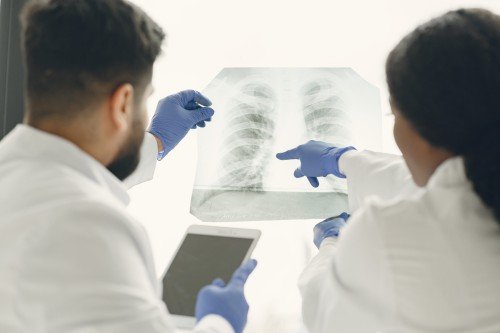
Choosing the right Lung Cancer treatment in Greater Noida starts with understanding the diagnosis, available treatment options, and the medical support a patient may need. Lung cancer can affect people differently, so treatment decisions should consider the cancer type, stage, overall health, and the patient’s preferences. Knowing what to look for in a specialist or healthcare facility can help patients and their families approach this challenging time with greater confidence.
For fast information, direct chat with us on WhatsApp
Choosing the right lung cancer treatment in Greater Noida involves confirming the diagnosis, understanding the cancer type and stage, and consulting qualified specialists. Patients should compare evidence-based treatment options, access to diagnostic testing, multidisciplinary care, follow-up support, and costs. A personalised treatment plan should reflect the patient’s health, preferences, and clinical findings.
What Should You Look for When Choosing Lung Cancer Treatment?
The right treatment approach combines an accurate diagnosis, evidence-based medical care, clear communication, and appropriate follow-up. Patients should look for a qualified specialist, access to necessary diagnostic services, and a treatment plan tailored to the cancer’s type and stage. They should also understand the potential benefits, risks, costs, and practical requirements of the recommended care.
1. Confirm the Diagnosis and Type of Lung Cancer
Before comparing treatment options, ensure that the diagnosis has been properly evaluated. Lung cancer is not a single disease. The two main categories are non-small cell lung cancer (NSCLC) and small cell lung cancer (SCLC). Each behaves differently and may require a different treatment strategy.
A specialist may recommend investigations such as:
- Imaging tests: CT scans and, when appropriate, PET-CT scans help assess the location and extent of the disease.
- Biopsy: A tissue sample is usually needed to confirm the diagnosis and identify the cancer type.
- Molecular testing: Certain tumours may undergo biomarker testing to identify changes that could make targeted therapies suitable.
- Additional assessments: Blood tests and evaluations of lung function or general health may help guide treatment decisions.
Not every patient needs every test. The treating team should explain why each investigation is necessary and how its results may affect the plan.
2. Understand the Available Lung Cancer Treatment Options
Treatment depends on several factors, including cancer type, stage, tumour characteristics, and the patient’s ability to tolerate specific therapies. Ask the specialist to explain which options are appropriate and why.
Surgery
Surgery may be an option for selected patients, particularly when the cancer is localised and can be removed safely. The decision depends on the tumour’s location, disease stage, and the patient’s lung and overall health.
Chemotherapy
Chemotherapy uses medicines to destroy cancer cells or limit their growth. It may be used before or after surgery, alongside radiation in selected cases, or as part of treatment for more advanced disease.
Radiation Therapy
Radiation therapy uses targeted energy to damage cancer cells. Depending on the situation, it may be used to treat certain localised tumours, combined with other treatments, or to relieve symptoms.
Targeted Therapy and Immunotherapy
Targeted therapy acts on specific molecular changes in cancer cells. Immunotherapy helps the immune system recognise and attack cancer. These treatments are suitable only for certain patients, depending on factors such as tumour biomarkers, cancer type, stage, and previous treatment.
A reliable specialist will discuss the expected benefits, possible side effects, alternatives, and monitoring requirements rather than recommending one treatment for everyone.
3. Choose a Qualified Lung Cancer Specialist
Experience in evaluating and managing lung conditions is important, but complex cancer care may also require a coordinated team. Depending on the patient’s needs, this team can include a pulmonologist, medical oncologist, thoracic surgeon, radiation oncologist, radiologist, and pathologist.
When considering lung cancer treatment in Greater Noida, ask these practical questions:
- Who will coordinate the overall treatment plan?
- Will the diagnosis and pathology results be reviewed by the relevant specialists?
- Are additional tests or a second opinion advisable?
- Who should the patient contact if side effects or new symptoms develop?
- How will progress and treatment response be monitored?
A specialist should explain medical information in understandable language and allow patients to participate in decisions. If the diagnosis or proposed treatment is unclear, seeking a second opinion can be reasonable.
4. Evaluate Diagnostic Facilities and Continuity of Care
Access to appropriate investigations can help reduce avoidable delays. However, patients do not necessarily need every service at one facility. What matters is whether the care team can arrange the required tests, review the results, and coordinate referrals when necessary.
Before choosing a provider, find out whether the facility can help arrange:
- Appropriate imaging and biopsy services
- Histopathology and relevant molecular testing
- Referrals for surgery, chemotherapy, radiation, or other indicated treatment
- Follow-up appointments and side-effect management
- Communication between specialists involved in care
Also ask how medical records and test reports will be shared if treatment involves more than one hospital or clinic. Good coordination helps patients understand the next steps and avoid unnecessary repetition of investigations.
5. Consider Communication, Costs, and Practical Support
Cancer treatment can involve frequent appointments, medication expenses, travel, and emotional stress. These practical issues should be part of the decision, not an afterthought.
Request a clear explanation of the proposed treatment schedule, likely monitoring needs, estimated costs, and what insurance may cover. Ask whether financial counselling, nutritional guidance, smoking cessation support, or psychological support is available or can be arranged.
Patients should also understand which side effects require urgent medical attention and whom to contact outside routine appointments. Support from family members or caregivers can make it easier to manage appointments and follow medical instructions.
6. Recognise When Prompt Medical Assessment Is Important
A persistent cough, coughing up blood, unexplained weight loss, chest discomfort, breathlessness, or repeated chest infections can have several causes. These symptoms do not automatically mean lung cancer, but they should not be ignored, particularly when they persist or worsen.
Seek medical assessment if you notice concerning symptoms. Severe or sudden breathing difficulty, significant coughing of blood, or severe chest pain requires urgent medical attention.
People with a history of smoking or other relevant risk factors should discuss their individual risk with a qualified clinician. Screening with low-dose CT is recommended for certain high-risk groups under specific eligibility criteria; it is not a universal test for everyone.
7. Prepare for Your First Consultation
A little preparation can make a specialist appointment more productive. Bring previous scans, biopsy reports, medication details, medical history, and a list of current symptoms. If possible, take a family member or trusted person who can help remember the information discussed.
Consider asking:
- What type and stage of lung cancer has been identified?
- Are further tests needed before treatment begins?
- What are the recommended treatment options and their main risks?
- What happens if the patient chooses a different option or seeks another opinion?
- How will treatment effectiveness and side effects be assessed?
Clear answers can help patients make informed decisions and understand the next steps in their care.
Frequently Asked Questions
1. What factors determine the best treatment for lung cancer?
The most suitable treatment depends on the type and stage of cancer, tumour characteristics, molecular test results when indicated, and the patient’s overall health. Options may include surgery, chemotherapy, radiation therapy, targeted therapy, immunotherapy, or a combination. A qualified specialist can explain which approaches are appropriate for the individual diagnosis.
2. When should someone consult a lung cancer specialist?
Consult a specialist if investigations suggest lung cancer or a biopsy confirms the diagnosis. Persistent cough, coughing up blood, unexplained weight loss, or worsening breathlessness also warrant medical assessment. These symptoms can have other causes, but prompt evaluation helps determine whether further testing or specialist referral is needed.
3. What tests are needed before starting lung cancer treatment?
Tests may include CT scans, PET-CT imaging when appropriate, biopsy, pathology review, and molecular testing for selected tumours. Doctors may also assess lung function and general health. The exact investigations depend on the suspected cancer type, its extent, and the proposed treatment. Not every patient requires every test.
4. Can lung cancer be treated without surgery?
Yes. Some patients receive treatment without surgery, depending on the cancer type, stage, and overall health. Options may include radiation therapy, chemotherapy, immunotherapy, targeted therapy, or combinations of these treatments. For selected early-stage cases, specialised radiation techniques may be considered when surgery is unsuitable. The treatment decision requires individual assessment.
5. How do I choose a lung cancer treatment provider in Greater Noida?
Look for qualified specialists, clear explanations of diagnostic findings, access to appropriate testing, coordinated referrals, and reliable follow-up. Ask who will manage the treatment plan, how side effects will be handled, and what costs to expect. You can also seek a second opinion before making a major treatment decision.
Conclusion
Choosing the right Lung Cancer treatment in Greater Noida involves more than comparing facilities. Patients should first confirm their diagnosis, understand the cancer type and stage, and discuss suitable treatment options with Dr. Harish Verma. Access to appropriate diagnostic testing, coordinated medical care, transparent communication, and ongoing support can also make the treatment journey easier to navigate. Before committing to a plan, ask questions about potential benefits, risks, costs, and follow-up requirements. If you or a family member has concerning symptoms or has received a lung cancer diagnosis, arrange a consultation with an appropriate medical specialist. An informed, personalised approach can help you make decisions that align with your clinical needs and preferences.
