
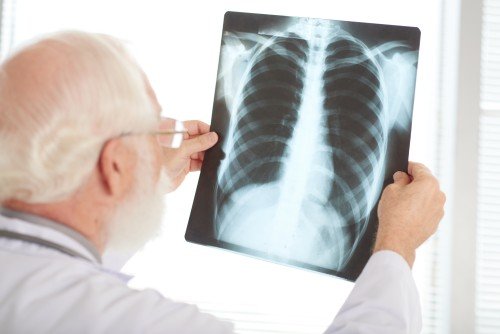
Pneumonia is a respiratory infection that affects the lungs and can make breathing difficult. It may develop due to bacteria, viruses, or fungi and can affect people of different age groups. Early diagnosis and appropriate medical care are important to prevent complications. If you or a family member experiences persistent cough, fever, chest discomfort, or breathlessness, seeking Pneumonia treatment in Beta I Greater Noida can help you access timely medical evaluation and the right treatment approach.
For fast information, direct chat with us on WhatsApp
Pneumonia treatment involves identifying the infection’s cause and managing its symptoms through appropriate medication, supportive care, and oxygen therapy when necessary. Early diagnosis helps doctors assess the severity of the infection, prevent complications, and recommend suitable treatment. Patients with breathing difficulties or worsening symptoms should seek immediate medical attention.
Why Is Timely Pneumonia Treatment Important?
Pneumonia causes inflammation in the air sacs of the lungs. These air sacs may fill with fluid or pus, making it harder for oxygen to enter the bloodstream. Symptoms can range from mild to severe, depending on the infection, the patient’s age, and their overall health.
Delaying medical attention may allow the infection to worsen. This is particularly concerning for older adults, young children, and people with existing conditions such as asthma, diabetes, heart disease, or chronic lung disease.
Timely treatment helps doctors identify the underlying cause, assess the severity of the infection, and recommend suitable care. It also helps reduce the risk of complications such as respiratory failure or infection spreading beyond the lungs.
Common Symptoms of Pneumonia You Should Never Ignore
Recognising pneumonia symptoms early can help patients seek medical advice before their condition becomes more serious.
Some common symptoms include:
- Persistent cough, sometimes producing yellow, green, or blood-stained mucus.
- Fever, chills, and excessive sweating.
- Shortness of breath or difficulty breathing.
- Chest pain that becomes worse while coughing or taking deep breaths.
- Unusual tiredness, weakness, or reduced energy.
- Loss of appetite and general discomfort.
- Confusion or unusual drowsiness, particularly in older adults.
Not everyone experiences all these symptoms. Some older adults may develop confusion or weakness without a noticeable fever. Therefore, unusual changes in breathing, alertness, or daily activity should not be ignored.
When to seek emergency care: Severe breathing difficulty, bluish lips or face, fainting, new confusion, or severe chest pain require immediate medical attention. Do not delay emergency care while waiting for a routine appointment.
What Causes Pneumonia?
Pneumonia develops when infectious organisms enter the lungs and cause inflammation. The infection can have different causes, and identifying the likely cause helps doctors select an appropriate treatment.
1. Bacterial Pneumonia
Bacteria such as Streptococcus pneumoniae can cause bacterial pneumonia. Symptoms may develop suddenly and include fever, cough, chest pain, and difficulty breathing. Antibiotics may be prescribed when a bacterial infection is suspected or confirmed.
2. Viral Pneumonia
Viruses, including influenza and respiratory syncytial virus (RSV), can cause pneumonia. Some viral infections may also lead to secondary bacterial infections. Treatment generally focuses on supportive care, although specific antiviral medicines may be appropriate for certain infections.
3. Fungal Pneumonia
Fungal pneumonia is less common and may affect people with weakened immune systems or certain environmental exposures. Treatment depends on the specific fungus and may involve prescription antifungal medication.
How Is Pneumonia Diagnosed?
Accurate diagnosis is an essential part of effective pneumonia management. A doctor usually begins by understanding the patient’s symptoms, medical history, and recent health changes.
Depending on the clinical findings, diagnostic tests may include:
- Physical examination: The doctor listens to the lungs for unusual breathing sounds.
- Chest X-ray: Helps identify areas of infection or inflammation in the lungs.
- Blood tests: May help assess infection and the body’s inflammatory response.
- Pulse oximetry: Measures oxygen saturation in the blood.
- Sputum examination: May help identify the organism responsible for the infection in selected cases.
- Additional investigations: CT scans or other tests may be considered when the diagnosis is unclear or complications are suspected.
Not every patient requires every test. The doctor decides which investigations are appropriate based on symptoms and disease severity.
What Does Pneumonia Treatment Involve?
The right treatment depends on the infection’s cause, the patient’s age, existing medical conditions, and the severity of symptoms.
Medication Based on the Cause
For bacterial pneumonia, doctors may prescribe antibiotics. Patients should follow the prescribed dose and duration rather than stopping medication once they start feeling better.
Antibiotics do not treat viral pneumonia. In selected cases, antiviral medicines may be recommended depending on the virus, timing, and risk factors. Antifungal medicines are used when fungal pneumonia is diagnosed.
Patients should never take leftover antibiotics or self-medicate without medical advice.
Oxygen Support When Required
Some patients experience reduced oxygen levels because their lungs cannot transfer enough oxygen into the bloodstream. In such situations, supplemental oxygen may be necessary.
Doctors monitor oxygen saturation and breathing to determine whether oxygen support or hospital-based care is required.
Rest, Hydration, and Supportive Care
Supportive care plays an important role in recovery. Patients may be advised to:
- Get adequate sleep and physical rest.
- Drink sufficient fluids unless medically restricted.
- Eat nutritious, balanced meals.
- Avoid smoking and exposure to second-hand smoke.
- Follow prescribed medication schedules.
- Attend follow-up appointments when recommended.
These measures support recovery but do not replace medical treatment.
Why Choose the Right Pneumonia Specialist in Beta I Greater Noida?
Choosing an appropriate healthcare provider is important because pneumonia does not affect every patient in the same way. Some people recover with treatment at home, while others require close monitoring or hospitalisation.
When considering Pneumonia treatment in Beta I Greater Noida, look for a respiratory healthcare provider who can offer:
- Proper clinical evaluation: A detailed assessment of symptoms, medical history, and risk factors.
- Appropriate diagnostic guidance: Recommendations for relevant investigations based on the patient’s condition.
- Individualised treatment: Care that considers the cause and severity of the infection.
- Respiratory monitoring: Assessment of breathing and oxygen levels when clinically necessary.
- Follow-up guidance: Advice on recovery, medication adherence, and recognising warning signs.
Patients in Beta I and nearby areas of Greater Noida can consider consulting a qualified lung specialist when respiratory symptoms persist or become concerning. Before visiting a clinic, confirm appointment availability and the services offered.
Who Is at Higher Risk of Developing Severe Pneumonia?
Although pneumonia can affect anyone, certain groups have a higher risk of developing serious illness.
These include:
- Adults aged 65 years and above.
- Infants and young children.
- People with chronic respiratory conditions.
- Individuals with diabetes or heart disease.
- People with weakened immune systems.
- Smokers and individuals exposed to significant air pollution.
People in these groups should seek medical advice promptly when pneumonia symptoms appear. Early assessment can help doctors decide whether additional monitoring or more intensive treatment is needed.
How Can You Reduce the Risk of Pneumonia?
Preventive measures can lower the risk of certain respiratory infections and pneumonia.
Consider these practical steps:
- Stay up to date with vaccinations: Discuss pneumococcal, influenza, COVID-19, and other recommended vaccines with your doctor.
- Maintain hand hygiene: Wash your hands regularly, especially before eating.
- Avoid smoking: Smoking can damage the lungs and increase susceptibility to respiratory infections.
- Maintain a healthy lifestyle: Balanced nutrition, adequate sleep, and regular physical activity support overall health.
- Manage existing conditions: Follow treatment plans for asthma, diabetes, and other chronic illnesses.
- Practise respiratory hygiene: Cover your mouth and nose while coughing or sneezing and avoid close contact when unwell.
These precautions are particularly important for older adults and people with underlying health conditions.
Frequently Asked Questions
1. How long does it take to recover from pneumonia?
Recovery from pneumonia varies depending on the infection’s severity, the patient’s age, and overall health. Some people begin feeling better within a few days of treatment, while cough, tiredness, and breathlessness may take several weeks to improve. Follow-up medical evaluation is important if symptoms persist or worsen.
2. Can pneumonia be treated without hospitalisation?
Yes, mild pneumonia can often be treated at home under a doctor’s supervision. However, patients with low oxygen levels, severe breathing difficulties, serious underlying illnesses, or complications may require hospitalisation. A doctor should determine the appropriate treatment setting after assessing the patient’s symptoms and overall condition.
3. When should I consult a lung specialist for pneumonia?
Consult a lung specialist if you experience persistent cough, fever, chest discomfort, or breathlessness. Medical evaluation is particularly important if symptoms worsen despite treatment or you have an existing respiratory condition. Severe breathing difficulty, bluish lips, or confusion require emergency medical attention rather than a routine consultation.
4. Is pneumonia contagious?
Some infections that cause pneumonia can spread from person to person through respiratory droplets or contact with contaminated respiratory secretions. However, not every type of pneumonia spreads in the same way. Practising good hand hygiene, covering coughs, and avoiding close contact while sick can help reduce transmission.
5. Where can I get pneumonia treatment in Beta I Greater Noida?
You can consult a qualified pulmonologist or respiratory healthcare provider for pneumonia evaluation and treatment in Beta I Greater Noida. Look for a provider who can assess symptoms, recommend appropriate diagnostic tests, monitor respiratory health, and guide recovery. Confirm the clinic’s consultation availability and treatment facilities before visiting.
Conclusion
Pneumonia requires timely attention, accurate diagnosis, and an appropriate treatment plan. Recognising symptoms such as persistent cough, fever, chest discomfort, and breathing difficulties can help patients seek medical assistance before complications develop. Choosing the right Pneumonia treatment in Beta I Greater Noida also means finding qualified respiratory care, proper diagnostic guidance, and suitable follow-up support. Patients should follow their doctor’s recommendations, complete prescribed medications, and attend follow-up consultations when advised. If you or a family member experiences symptoms of pneumonia, consider consulting Dr.Harish Verma at Chest and Lung Clinic to understand the available evaluation and treatment options. Early medical attention can make an important difference in managing respiratory infections.
